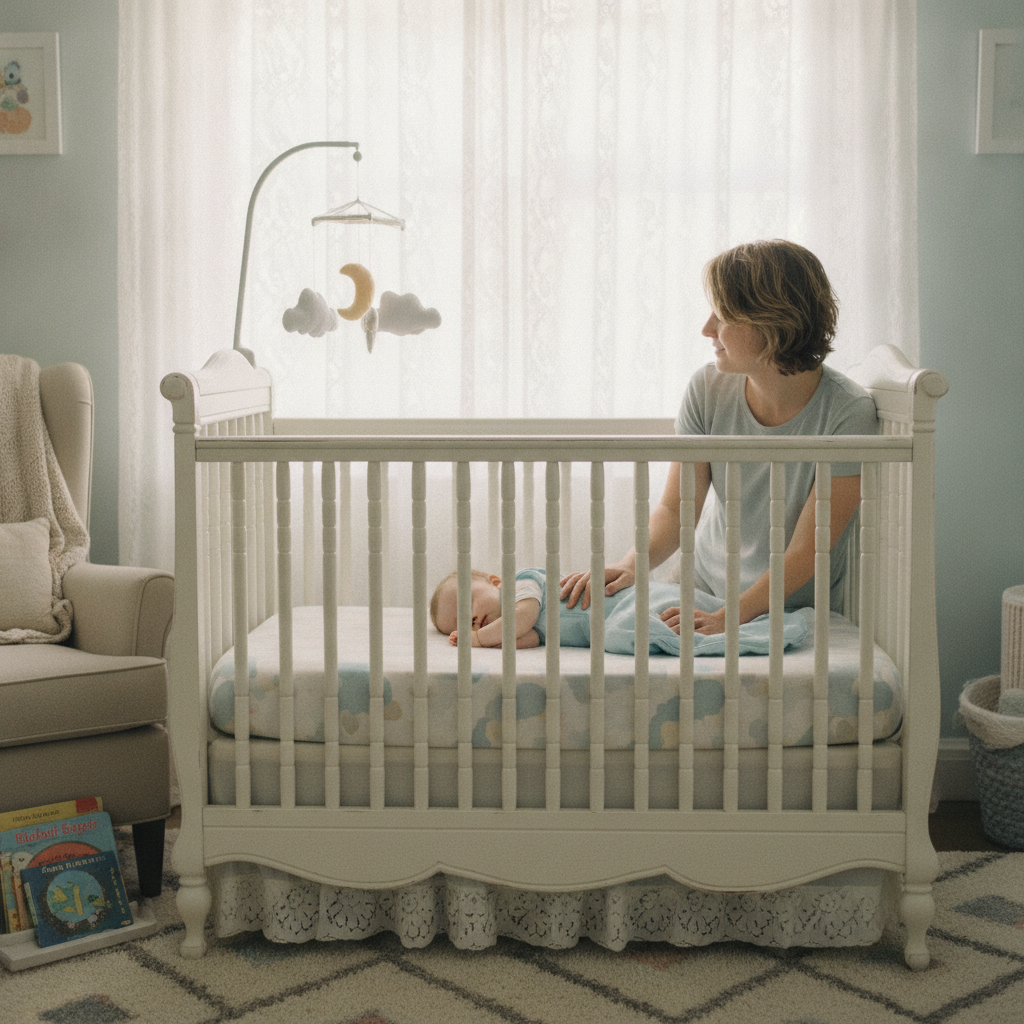
How Many Night Feeds By Age: A Parent's Complete Guide
How many night feeds by age your baby needs depends on their developmental stage, weight, and feeding method — but most newborns require 2–5 night feeds, gradually reducing to zero by around 12 months for many babies. Understanding what is typical at each age can help you set realistic expectations and identify when patterns may warrant a conversation with your health visitor or GP.
This is not medical advice. Always consult your GP, health visitor, or a registered lactation consultant if you have concerns about your baby's feeding or growth.
Why Night Feeds Matter in the Early Months
Night feeding is not simply a sleep problem to be solved — it serves a vital biological purpose. Newborn stomachs are tiny (roughly the size of a marble at birth, according to La Leche League guidance), which means they digest milk quickly and genuinely need to refuel frequently, day and night.
According to NHS guidance, breastfed babies typically feed more often than formula-fed babies because breast milk is digested faster than formula. This is entirely normal and does not indicate a low milk supply or a problem with your baby. Night feeds also support milk production in breastfeeding parents, as prolactin levels — the hormone that drives milk supply — are naturally higher at night.
Beyond nutrition, night feeds provide comfort, warmth, and closeness that support healthy attachment. The UNICEF Baby Friendly Initiative emphasises that responsive feeding — feeding when your baby shows hunger cues, day or night — supports both physical and emotional development in the early weeks and months.
Tracking night feeds carefully can also help you spot patterns, flag concerns to your healthcare team, and celebrate genuine progress over time. That is precisely where a tool like Lullwise can help — logging every feed so you can see the bigger picture without relying on sleep-deprived memory.
How Many Night Feeds By Age: A Stage-By-Stage Breakdown
The following guidance reflects typical ranges cited by the NHS, the American Academy of Pediatrics (AAP), and peer-reviewed research. Every baby is different, and these figures are averages rather than targets.
Newborn (0–4 Weeks)
Newborns typically need 2–5 night feeds, often feeding every 2–3 hours around the clock. The AAP recommends feeding on demand at this stage, aiming for 8–12 feeds per 24 hours in total. There is no meaningful distinction between day and night for a newborn — their circadian rhythms have not yet developed. According to a 2012 study published in PLOS ONE, circadian melatonin rhythms begin emerging at around 6–8 weeks of age, which is why earlier attempts to consolidate sleep rarely succeed.
1–2 Months
Most babies aged 1–2 months still require 2–4 night feeds. Some parents notice the first longer sleep stretches beginning to appear — perhaps a 3–4 hour block — but this is highly variable. Breastfed babies at this age may cluster feed in the evenings, which can temporarily increase overnight hunger. Formula-fed babies may begin spacing feeds slightly more predictably, though night waking remains entirely normal.
3–4 Months
At 3–4 months, many babies need 1–3 night feeds. This period is also associated with the well-known 4-month sleep regression, during which previously settled babies may suddenly wake more often. This is linked to a permanent shift in sleep architecture — babies begin cycling through lighter and deeper sleep stages in a more adult-like pattern, according to research reviewed by the Royal College of Paediatrics and Child Health. Increased night waking at this stage is developmental, not regression in the negative sense.
5–6 Months
By 5–6 months, many babies are developmentally capable of longer sleep stretches and may manage with 1–2 night feeds. The NHS notes that solid foods are typically introduced around 6 months, but solids do not automatically reduce night waking — milk (breast or formula) remains the primary source of nutrition throughout the first year. Research published in the BMJ Open (2020) found that introducing solids earlier than 6 months did not meaningfully improve sleep outcomes.
7–9 Months
Between 7 and 9 months, many babies drop to 0–1 night feeds, though a significant proportion continue waking for comfort or hunger beyond this point. A 2019 study in Sleep Medicine found that around 27% of 9-month-old infants still woke at least once per night requiring parental intervention. If your baby continues feeding at night at this age, this does not necessarily indicate a problem — it may reflect temperament, growth spurts, teething, or developmental leaps.
10–12 Months
By 10–12 months, many babies no longer require night feeds from a purely nutritional standpoint, though some continue to feed for comfort. The AAP supports breastfeeding for at least 12 months (and beyond if mutually desired), and night nursing at this age is still developmentally normal. If you are looking to gently reduce feeds at this stage, speaking with your health visitor about a gradual approach is recommended.
12 Months and Beyond
Beyond 12 months, nutritional night feeds are generally no longer necessary, though comfort nursing is common in toddlers. The World Health Organization (WHO) recommends continued breastfeeding alongside appropriate foods up to 2 years and beyond. Night waking that resumes after a period of sleeping through is often linked to developmental milestones, illness, or changes in routine rather than hunger.
How Many Night Feeds By Age: Formula vs. Breastfed Babies
One of the most common questions parents ask is whether formula-fed babies sleep longer and need fewer night feeds than breastfed babies. The evidence is more nuanced than popular belief suggests.
A large study published in the British Medical Journal (Quigley et al., 2016) found that while formula-fed babies did have slightly longer initial sleep stretches in the early weeks, the difference in total night waking between breastfed and formula-fed babies was small and not clinically significant beyond the first few months. Breastfed babies may feed more frequently but often settle more quickly, particularly when feeding in bed safely (following The Lullaby Trust safer sleep guidelines).
Formula-fed babies typically require:
- 0–1 month: 2–4 night feeds
- 2–3 months: 2–3 night feeds
- 4–6 months: 1–2 night feeds
- 7–12 months: 0–1 night feeds
Breastfed babies may sit at the higher end of these ranges throughout, which is entirely normal and supported by current evidence. Using a baby sleep tracker like Lullwise to log both feeds and sleep periods can help you see whether your baby's pattern is shifting over time, regardless of feeding method.
Signs Your Baby Is Feeding at Night Out of Habit vs. Hunger
Understanding the difference between nutritional night waking and habitual waking can help you decide whether any changes to your approach are appropriate. However, distinguishing between the two is not always straightforward, and it is worth discussing with a health visitor before making changes.
Signs that may suggest genuine hunger at night:
- Baby feeds vigorously and for a sustained period (not just a few minutes)
- Baby wakes within 2–3 hours of last feed
- Baby is going through a growth spurt or developmental leap
- Baby is not yet gaining weight adequately (your health visitor will monitor this at check-ups)
Signs that may suggest comfort rather than hunger:
- Baby falls asleep very quickly after latching or taking the bottle
- Baby can be settled without a feed by another caregiver
- Feeds at night are very short (2–3 minutes)
- Baby is over 6 months, growing well, and eating adequate solids
According to NICE guidance on postnatal care, health visitors are a key resource for assessing feeding patterns and supporting families — do not hesitate to raise concerns at your routine check-ups or between appointments.
How to Gently Reduce Night Feeds When the Time Is Right
If your healthcare team agrees that your baby is ready to reduce night feeds, a gradual approach is generally recommended over abrupt stopping. The following strategies are commonly cited by paediatric sleep specialists and health visitors:
- Gradual reduction: Shorten the duration of each feed by a few minutes every few nights, or offer slightly less formula each night over one to two weeks.
- Increase daytime calories: Ensure your baby is taking enough milk and, from 6 months, solid food during the day, so night feeding isn't compensating for a daytime deficit.
- Introduce other settling strategies: Patting, shushing, and a consistent bedtime routine can help your baby learn to resettle without a feed.
- Involve a second caregiver: If a breastfeeding parent attends every night waking, babies quickly associate waking with feeding. A second caregiver offering comfort without a feed can help break the pattern.
- Move slowly and follow your baby's lead: If distress increases significantly, it may not be the right time. There is no universal age at which night feeds must stop.
Tracking your progress with Lullwise means you can see objectively whether feeds are reducing and sleep stretches are lengthening — reassuring when progress feels invisible at 3am.
When to Speak to Your GP or Health Visitor
Most night feeding patterns are entirely normal, but there are circumstances in which professional input is important. Contact your GP or health visitor if:
- Your baby is not regaining their birth weight by two weeks of age
- Your baby has fewer than six wet nappies per day after day five
- Your baby seems uninterested in feeding or is difficult to rouse for feeds
- You are concerned about your own mental health in relation to sleep deprivation (speak to your GP — perinatal mental health support is available on the NHS)
- Night waking significantly increases after a period of improvement with no obvious cause
This is not medical advice. Always consult a qualified healthcare professional with any concerns about your baby's health, feeding, or development.
Frequently Asked Questions About Night Feeds By Age
How many night feeds does a 3-month-old need?
Most 3-month-old babies need 1–3 night feeds, with some managing a longer sleep stretch of 4–5 hours before waking. Breastfed babies may feed more frequently. The 4-month sleep regression, which often begins around this time, can temporarily increase night waking even in babies who were previously sleeping well, according to paediatric sleep research.
Is it normal for a 6-month-old to still have night feeds?
Yes, it is entirely normal for a 6-month-old to have 1–2 night feeds. NHS guidance confirms that milk remains the primary nutrition for babies until 12 months, regardless of when solids are introduced. Some 6-month-olds drop night feeds naturally; others do not, and both patterns fall within the normal range. Consult your health visitor if you have concerns.
When do babies stop needing night feeds altogether?
Many babies no longer require night feeds for nutritional reasons by 9–12 months, though comfort feeding beyond this age is common and developmentally normal. The WHO recommends breastfeeding up to 2 years and beyond if mutually desired. There is no single age at which night feeds must stop — gradual reduction guided by your baby and healthcare team is the recommended approach.
Do formula-fed babies need fewer night feeds than breastfed babies?
Formula-fed babies may have slightly longer initial sleep stretches because formula takes longer to digest, but research published in the BMJ suggests the overall difference in night waking between breastfed and formula-fed babies is small. Both feeding methods are associated with multiple night wakings in the early months, and individual variation between babies is far greater than the difference between feeding methods.
Can I track my baby's night feeds to spot patterns?
Yes — tracking night feeds, sleep periods, and wake times over several weeks can reveal patterns that are impossible to spot in the moment. A baby sleep tracker like Lullwise (available at tenderlab.studio) logs feeds and sleep automatically, giving you clear data to share with your health visitor or GP and helping you notice genuine progress over time.
Start Tracking Night Feeds With Lullwise
Understanding how many night feeds by age is typical is the first step — but seeing your own baby's unique pattern is where the real insight lies. Lullwise, TenderLab's baby sleep tracker, makes it simple to log every feed and sleep period so you can spot trends, prepare for health visitor appointments with real data, and feel more in control during a genuinely exhausting season of life.
Lullwise is designed for sleep-deprived parents: quick to log, clear to read, and built with your wellbeing in mind. Visit tenderlab.studio to learn more and start tracking today.
This article references guidance from the NHS, AAP, WHO, NICE, UNICEF Baby Friendly Initiative, The Lullaby Trust, and peer-reviewed research. It is intended for informational purposes only and does not constitute medical advice. Always consult your GP or health visitor with concerns about your baby's feeding, sleep, or development.